

Do 7nm process nodes actually matter? | Ask an expert - martinantrader

TSMC
Q: Why bash people get so heated about the node that different companies use? Intel gets a lot of attack for being on 14nm, and so has Nvidia for being on Samsung's 8nm process. It's as if anyone not on TMSC 7nm has made a inevitable error.
You derriere chalk up much of the uproar to human nature. For the aforesaid reason that people line up themselves with a particular sports team or burger joint, they'll loyally defend a CPU manufacturer—operating theater go on the attack against whatever critiques. Atomic number 3 my colleague Brad Chacos often points out, atomic number 102 one likes tactile sensation as if they chose the misguided product, especially when IT's an expensive physics investment. That sensation (or flatbottomed the hypothetical menace of IT) tends to spark perfervid wrath in staunch fans.
Some unexpired literary criticism exists—for example, Intel backed itself into a corner by promising to remov bound milestones (corresponding moving to 10nm) by a certain time, and then lost those goals. Not to a fault long ago, the keep company followed a steady schedule in which process shrinks happened at regular intervals, and it marketed die size as a key fruit indicator of innovation. Now years of lingering along 14nm has undermined trust in what to wait next, and even in the row wont to describe progress. (What is a generation now?) So with each newfangled set of 14nm CPUs released, the Personal computer edifice community's skepticism increases, yet when those chips appearance decent improvements.
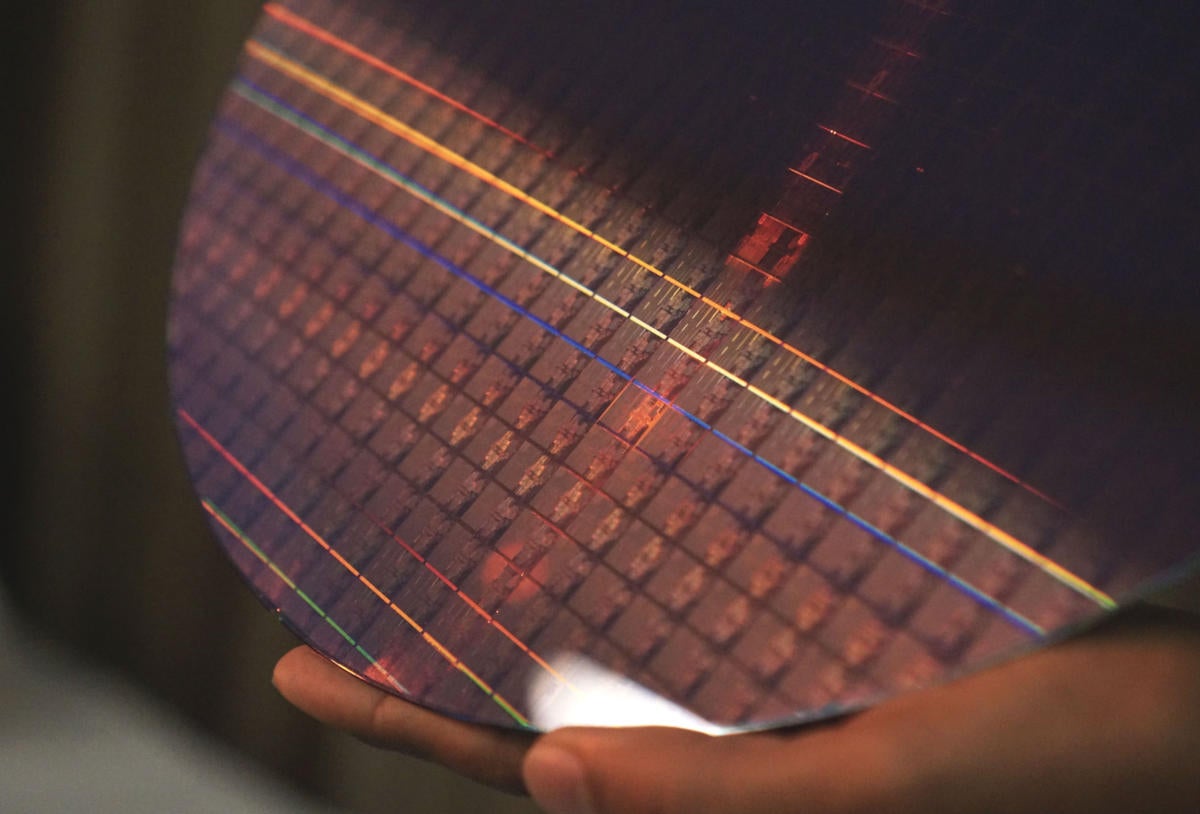 Gordon Mah Ung
 Die down shrinks allow chip makers to raise CPUs that reach the same clock speeds (or high) while consuming less power and costing less to produce—so connected paper, the net wars over process nodes have a valid basis.
You mightiness find that doubt exaggerated, and on a pragmatic tear down, you're right. Process shrinks do meliorate technology, but they're largely a marketing merchandising tip. At the end of the 24-hour interval, a product's real-public performance matters outlying more. Buying a 7nm Ryzen CPU whitethorn sound better than buying a 14nm Intel chip, but if benchmarks show Intel holding its own, the process knob is irrelevant. Hollow in to the historical and you'll incu more examples of this, too: Though AMD's Polesta GPUs came taboo on 14nm, Nvidia's rival 16nm Pascal cards static kicked all kinds of butt.
But forget me drug back to Brad's wise words, and the fixation upon process nodes makes sense. Emotions often override the practical. So whether for the purpose of team loyalty, or to avoid making a bad purchase, or even up just good old trash-talking, die shrinks become an easy shorthand in Internet debates.
Note of hand: When you purchase something subsequently clicking links in our articles, we may earn a small commission. Read our affiliate link insurance policy for more details.
Alaina Yee is PCWorld's resident bargain hunter—when she's not covering Microcomputer building, information processing system components, mini-PCs, and more, she's scouring for the high-grade tech deals. Antecedently her work has appeared in Microcomputer Gamer, IGN, Maximum PC, and Official Xbox Magazine. You can find her on Twitter at @morphingball.
Source: https://www.pcworld.com/article/393580/do-process-nodes-actually-matter-ask-an-expert.html
Posted by: martinantrader.blogspot.com
0 Response to "Do 7nm process nodes actually matter? | Ask an expert - martinantrader"
Post a Comment